What is an outboard motor
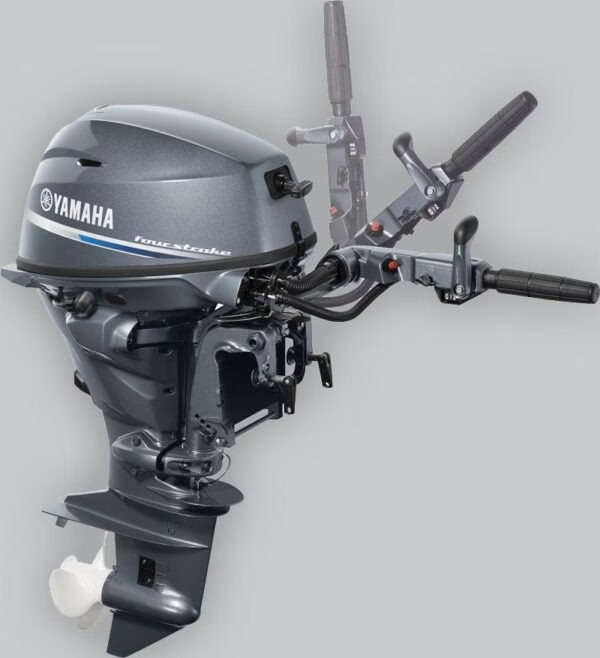
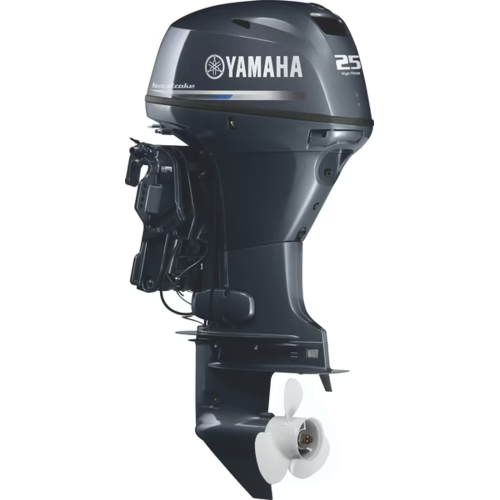
Welcome to the Outboard Motors & Accessories blog. In this article, What is an outboard motor, our outboard specialists break down what you need to know before your next purchase, with clear answers to common questions at the end. What is an outboard motor What is an outboard motor? 1 What is an outboard motor? 1.1 Operating principle of outboard motors 1.1.1 Fuel supply 1.1.2 Air mixture 1.1.3 Compression and combustion 1.1.4 Power generation 1.1.5 Propeller movement: 1.1.6 Cooling 1.1.7 Exhaust gas discharge What is an outboard motor? An outboard motor is a motor that is located outside a watercraft (e.g. a boat or a ship’s engine) and comes into contact with water. This motor is attached to the stern of the boat and is driven by the water. Outboard motors are generally used on small boats. Outboard motors normally work with a propeller. The power of the motor drives the propeller so that the boat can move forward. These types of engines are popular because they are easy to transport and simple to operate. In addition, outboard motors are usually easier to maintain and repair. These engines can be either electric or combustion-powered. Combustion outboard motors are powered by fuels such as gasoline or diesel, while electric outboard motors are usually powered by rechargeable batteries. Outboard motors can be used on many different types of boats, from small sea boats to fishing boats and sailboats. Boat owners choose outboard motors according to boat size, area of use and requirements. Operating principle of outboard motors Outboard motors are motors that are mounted on the outside of the watercraft. These motors use a propeller that touches the water to propel the boat forward. Here is the operating principle of outboard motors: Fuel supply Outboard engines with internal combustion use fuels such as gasoline or diesel. These fuels are supplied to the engine from a fuel tank. Air mixture The fuel is mixed with air via a carburetor or an injection nozzle. This mixture is fed into the combustion chamber. Compression and combustion The engine pistons compress the fuel-air mixture and ignite it in the combustion chamber. This process is part of the working process of an internal combustion engine. Power generation The energy generated by combustion drives the pistons to produce a rotary motion. Propeller movement: This rotational movement turns the propeller via a shaft. When the propeller is submerged in the water behind the boat, it pushes the boat forward with the pressure of the water. Cooling The engine heats up during operation. A water cooling system therefore ensures that the heat generated in the engine is dissipated. Exhaust gas discharge The exhaust gases produced during combustion are discharged to the outside. In this way, outboards with combustion engines convert the energy generated by the combustion process into mechanical movement, which enables the boat to move forward. Electric outboard motors work on a similar principle using electrical energy, but unlike combustion engines, they do not require fuel. These engines are powered by rechargeable batteries. You can also find a large selection of outboard motors and further information about boat drives at https://outboardshopusa.com/ Frequently Asked Questions How does an outboard motor work? An outboard combines engine, transmission, and propeller in one self-contained unit mounted on the transom, burning fuel to spin the prop and steer by pivoting. Outboard vs. inboard, which is better? Outboards are simpler to service, free up interior space, and are easier to replace or upgrade; inboards suit specific high-power or weight-distribution needs. How do I choose the right outboard size? Match horsepower to your boat’s capacity plate and transom rating; when in doubt, our specialists at Outboard Motors & Accessories can advise.